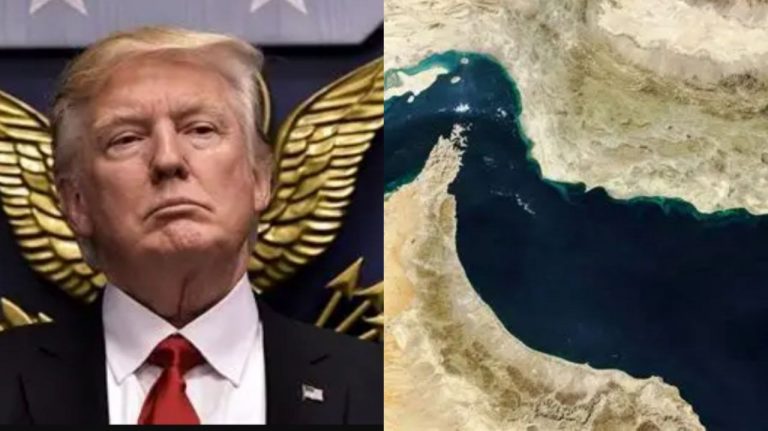
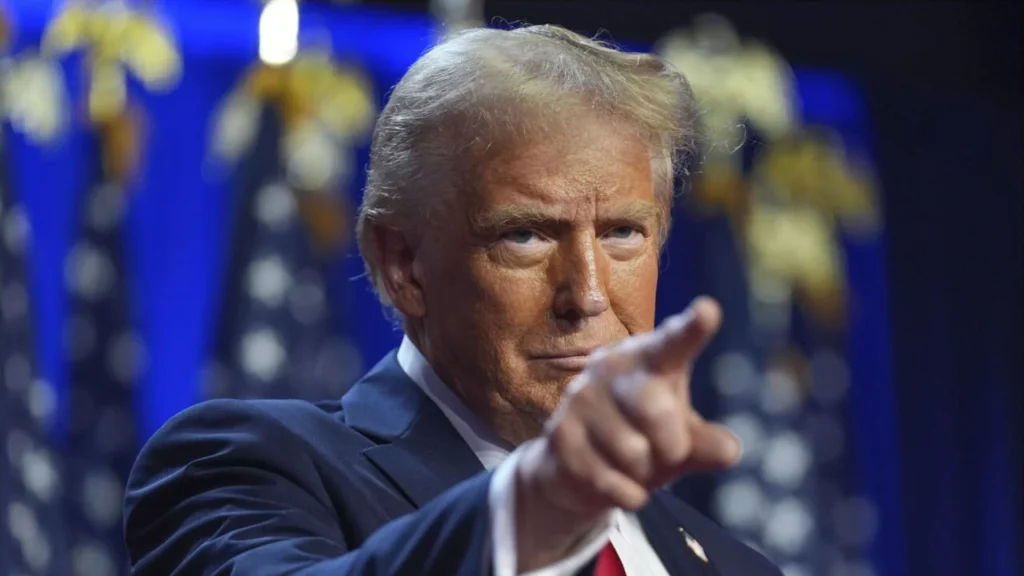
President Donald Trump demands Iran’s unconditional surrender and has publicly stated that he is unwilling to enter into negotiations with the Iranian government.
The recently released statement deepens the tension between the United States and Iran. Furthermore, it could impact the stability of the Middle East region, which is already marked by repeated episodes of conflict.
During an interview, Trump stated that any diplomatic approach would only be possible if Iran fully accepts U.S. terms.
In this regard, he maintained that “the only viable option is the absolute surrender” of the Islamic Republic.
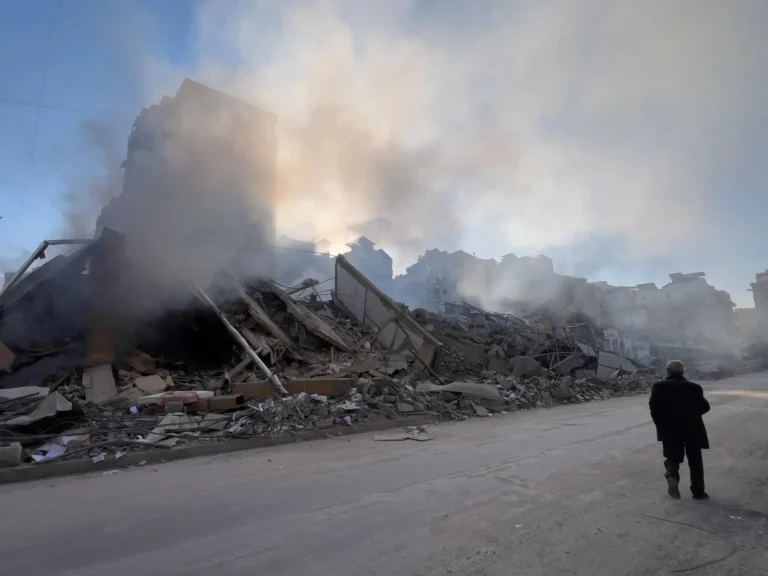
This stance, according to international analysts, could hinder mediation efforts. Additionally, it could increase the risk of violent escalation, particularly after recent incidents in the Persian Gulf.
“The selection of a great and acceptable leader, we and many of our wonderful and brave allies and partners, will work tirelessly to rescue Iran from the brink of destruction.”
The implications of Trump’s stance for regional peace
Trump’s refusal to negotiate with Iran represents a drastic shift from previous strategies, where diplomatic channels, though limited, existed.
Experts warn that the expressed intransigence could further alienate any possibility of dialogue. It could also affect both regional security and multilateral agreements.
Furthermore, the international community is closely watching how bilateral relations will evolve in the coming months, especially considering the conflicting interests in energy and defense matters.